
This blog is authored by Annalisa Smith, 2026 Summer Legal Fellow.
I joined Legal Counsel for Youth and Children as a Summer Legal Intern in the Youth Defense department. I am from New Orleans and go to school at Florida State University College of Law in Tallahassee, FL. Coming from the South to the Pacific Northwest was the ultimate culture shock, especially in the courts. The South in general is known for its regressive criminal justice policies, and according to The Sentencing Project, Florida had the highest number of youth in adult prisons and the third-highest number of youth in adult jails (2019) [1]. With this background, and my strong opposition to children in adult carceral facilities, I wanted to explore Washington’s approach to youth decline (the process of transferring jurisdiction of a youth case from juvenile to adult court).
Auto-decline policies (policies which automatically put youth in adult court for certain charges) in Washinton first began in 1994. This was around the same time that racist myths about the juvenile “super-predator” that is incapable of reform were at a high. In 2018, Washington attempted to address this racist history and passed SB 6160. This bill removed several offenses from the auto-decline list and restricted discretionary decline, keeping more young people in the juvenile court system.
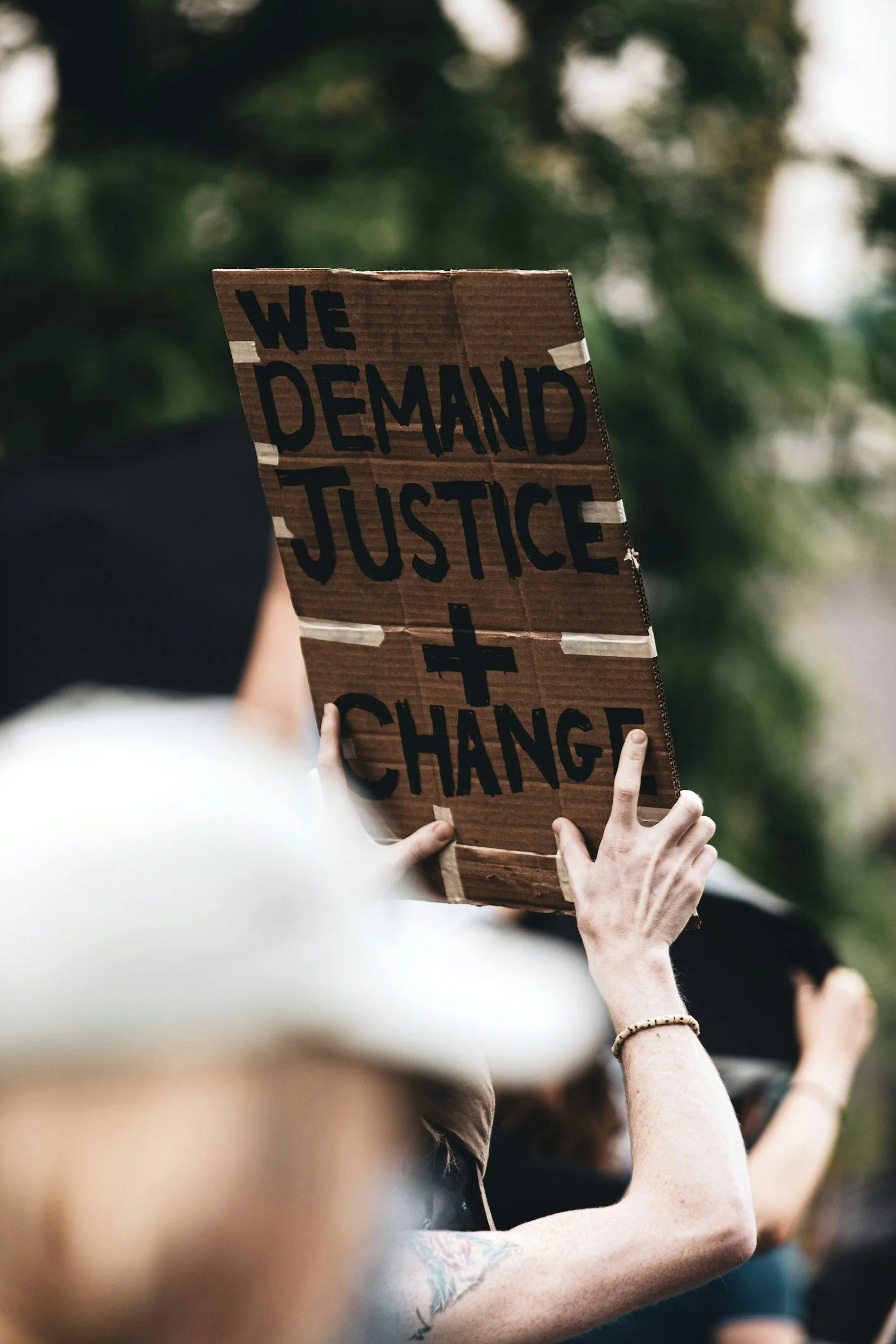
But a report commissioned by the King County Department of Public Defense [2] found that after the 2018 legislation, the percentage of Black youth subject to juvenile declines went up 4%. The same thing happened for Latino youth. Both Black and Latino youth, which make up 9% and 19% of Washington’s state youth population respectively, were already disproportionately represented in the adult legal system [3]. This bill attempted, and rightfully so, to equalize the state of juvenile justice in Washington. And yet, youth of color are still dealing with the effects of a racist system; something that will not stop unless that racism is fully and strongly resisted.
Washington allows for discretionary decline hearings in which a prosecutor, respondent (youth charged with the crime), or the court may file a motion requesting the court transfer jurisdiction to adult court. Several offenses qualify for this discretionary hearing but, crucial here, is that racial disparities exist across all offense categories that are eligible for decline [4]. For example, in Murder 1 and Murder 2 cases, 75% of the cases with an accused youth that was white were transferred to adult court versus 88% of the cases with an accused youth that was Latino and 100% of the cases with an accused youth that was Black. When the juvenile system and the players in the system continue to support (even unconsciously) the idea that youth of color, but especially Black youth, are incapable of reform, the system is failing our children.
But I am not writing this just to judge Washington; I am writing it because I believe that Washington has the ability to make the conscious change required to build the foundation for an equitable experience in juvenile justice. While here, I have had the privilege to see a level of acknowledgment to racial and systemic issues that I have never, and unfortunately may never, see in the South.
As a Black woman, and as a soon-to-be Black female lawyer (3L be good to me!), I feel it is my duty to remind you that it is not enough to say you are not racist. It's not even enough to really mean it. We are too deeply entrenched in the consequences of our racist founding. As Angela Davis tells us, “In a racist society it is not enough to be non-racist, we must be anti-racist.” And Ijeoma Oluo reminds us that “The beauty of anti-racism is that you don’t have to pretend to be free of racism to be an anti-racist. Anti-racism is the commitment to fight racism wherever you find it, including in yourself. And it’s the only way forward.” Our youth never stand a chance at true justice in a racist system, and that system never changes until every person operating within it is ready and willing to fight the racism within them. In the context of juvenile decline, attorneys and judges must do more to negate the racism that has caused the disparities Washington currently faces.
Like I said at the beginning of this blog post, I am coming from places that are far from the standard of juvenile justice I hope to one day see. And even though Washington is steps above, there is always room for growth, and the youth of Washington deserve a commitment to ongoing progress.
[1] Youth-in-Adult-Courts-Jails-and-Prisons.pdf
[2] juvenile-defense-brochure.pdf
[3] In King County alone, 198 juveniles were sentenced as adults between 2009 and 2019. 58% were Black children and 25% were Latinx children. In Washington state during that same period, of the young people charged and sentenced in adult criminal court, 38% were Black and 33.5% were Latinx.
[4] The Persistence of racial disparities in juvenile decline in Washington State, 2009-2022